Gas hot water cylinder ignition problems: what a Gasfitter checks and fixes
Pilot light keeps going out? Burner won't fire? Here's why gas hot water cylinders fail to ignite in NZ homes, from thermocouple faults to gas pressure, and why only a qualified Gasfitter should attempt repairs.
If your cylinder keeps going out, you are not alone
Ignition problems are one of the most common reasons Auckland homeowners call us about their gas hot water cylinders. The water goes cold, the pilot light is out, or the burner tries to start and then gives up. It is frustrating, especially on a winter morning.
The good news is that most ignition faults are straightforward for a Certifying Gasfitter to diagnose. The bad news is that they often point to worn parts in older cylinders, and a repair is not always the cheapest long-term fix. This guide explains what is going wrong, what a Gasfitter can do about it, and when replacement starts to make more sense.
How a gas hot water cylinder lights itself
A storage gas hot water cylinder works by keeping a small pilot flame alight. When the water in the tank cools below the set temperature, the gas control valve opens and gas flows to the main burner. The pilot flame ignites the burner, the water heats up, and the valve closes again once the temperature is reached.
The thermocouple is the safety guard in this system. It sits in the pilot flame and produces a tiny electrical signal that tells the gas valve the pilot is lit. If the pilot goes out, the signal stops and the valve shuts off all gas to the burner. This is why a failed thermocouple or a weak pilot flame stops the whole cylinder from working.
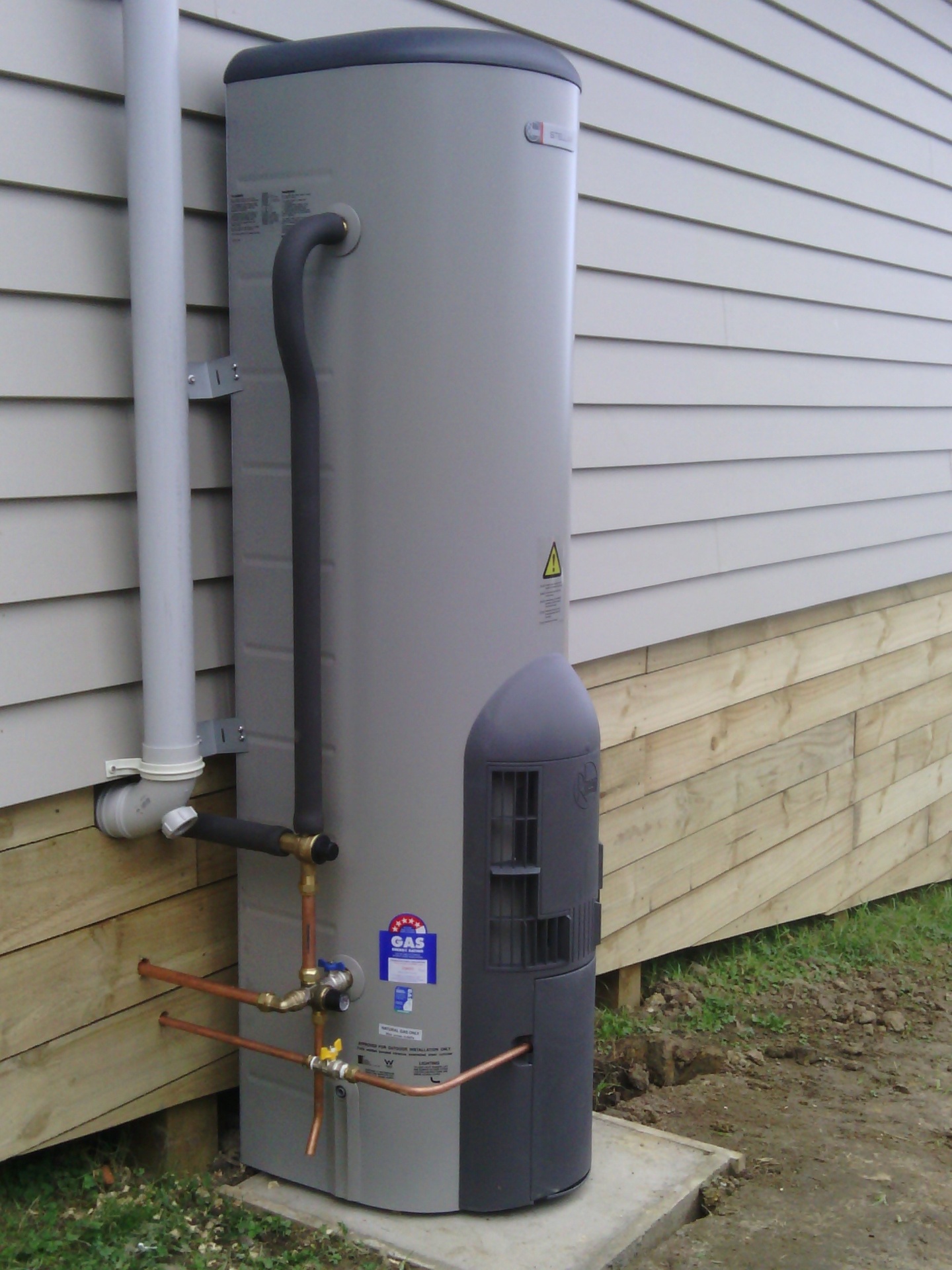
Modern units like the Rheem Stellar use a more efficient powered flue and electronic ignition, but the same principles apply. Gas, air, ignition and venting all have to be right for the cylinder to fire safely.
Common ignition problems and what causes them
Pilot light won't stay lit. This is usually the thermocouple. If it has worn out, cracked or moved out of the flame, the gas valve thinks the pilot is out and shuts the gas off. A Gasfitter can test the millivolt output and replace the thermocouple if needed.
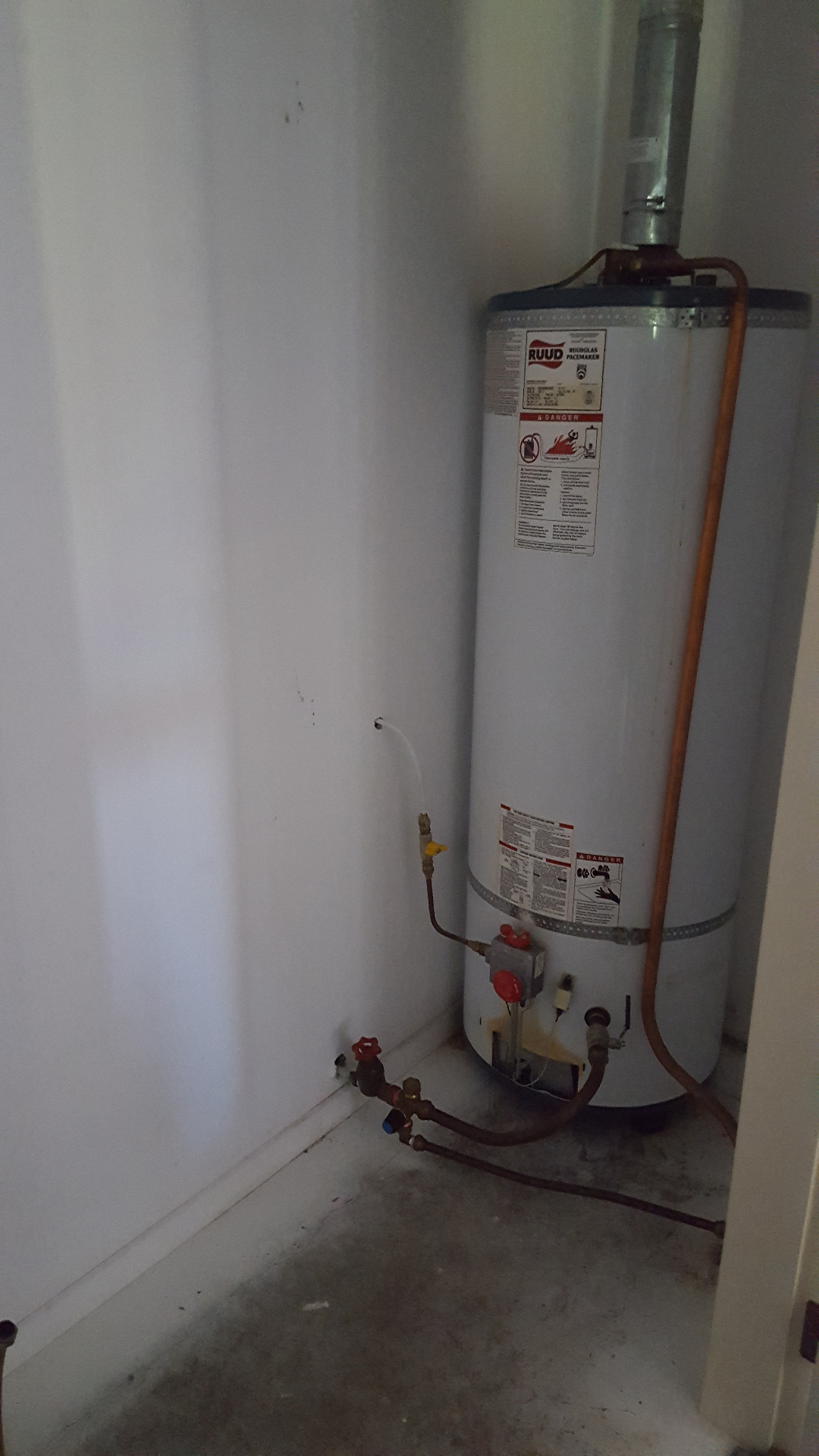
Pilot is lit but the main burner won't fire. This points to the gas control valve, the thermostat or the burner itself. On older Vulcan Freeloader and Ruudglas Pacemaker models the gas valves are becoming hard to source, so a valve replacement can be expensive.
Weak or yellow pilot flame. A healthy pilot is small and blue. A yellow or lazy flame means poor combustion, often caused by dust, spider webs, corrosion or a blocked injector. This is a safety issue because it can lead to carbon monoxide or unburnt gas.
Burner lights then goes out after a few seconds. This can be a thermocouple dropping signal, a faulty overheat cutout, or a flue spillage sensor doing its job. The cylinder may be overheating because the flue is blocked or the thermostat is failing.
Clicking or sparking but no ignition. Some newer cylinders use a spark ignitor instead of a standing pilot. If you hear clicking but no flame appears, the ignitor electrode may be cracked, the lead may be damaged, or the gas is not reaching the burner.
Low gas pressure. If the house gas regulator is failing or the LPG bottles are nearly empty, the cylinder may not get enough gas to light properly. A Gasfitter will check the supply pressure at the appliance before blaming the cylinder.
Model-specific quirks on Rheem Stellar, Vulcan Freeloader and Ruudglas Pacemaker
The Rheem Stellar is the most common new gas hot water cylinder we install in Auckland. It has a powered flue and electronic ignition, so ignition faults are usually related to the spark electrode, the flue fan or the gas valve. Parts are still available and most faults are repairable within warranty.
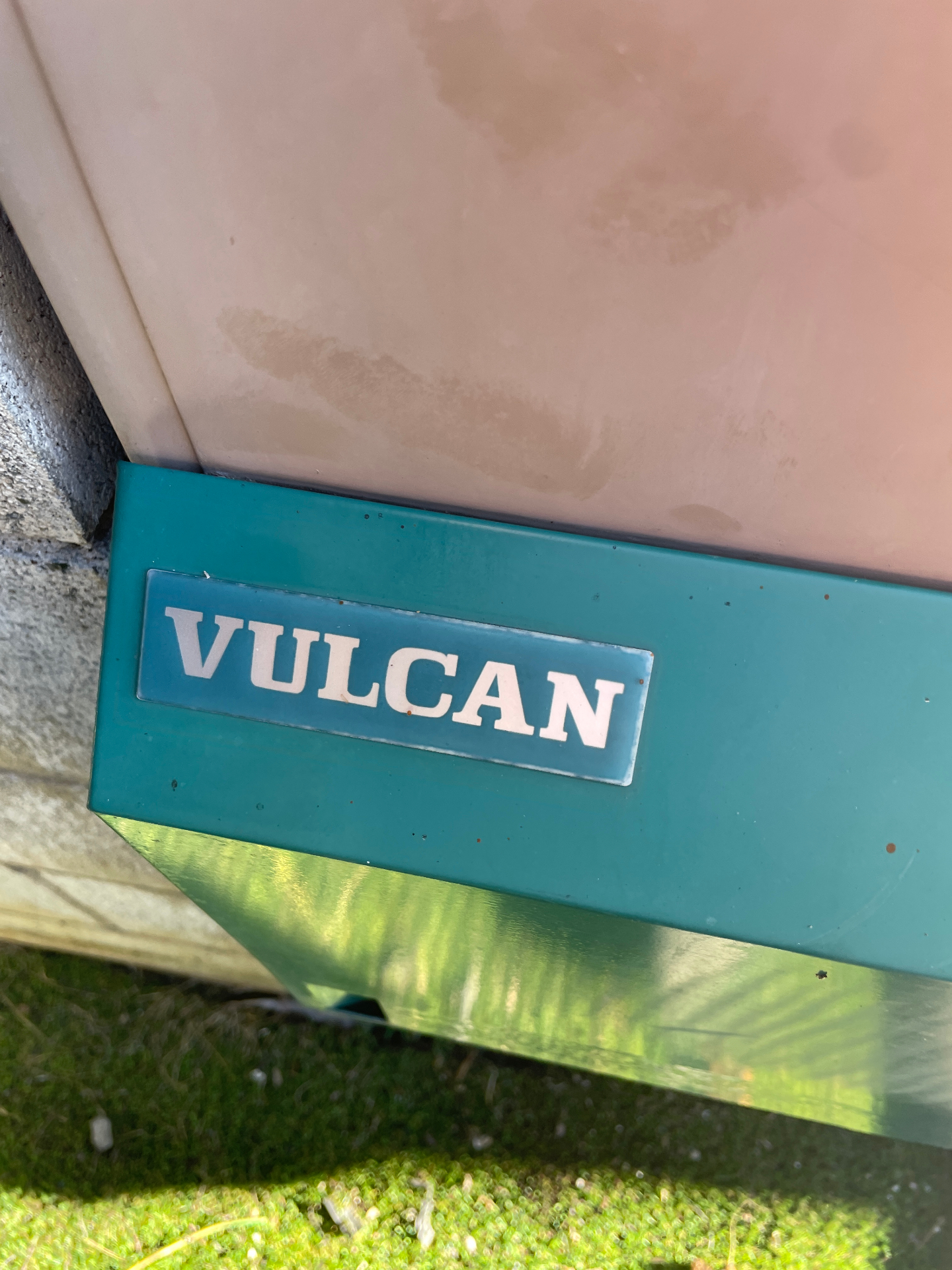
The Vulcan Freeloader is a different story. That cream and teal cylinder was built from the late 1980s to the mid-2000s and is now well past its typical lifespan. Ignition faults on a Freeloader are often the first sign that the gas valve, thermocouple and burner are all wearing out together. Because genuine parts are scarce, we usually recommend replacing the whole unit rather than chasing individual faults.
The Ruudglas Pacemaker was installed in thousands of Auckland homes from the 1990s through to the mid-2000s. Like the Freeloader, it is now at the age where ignition problems stack up. A new thermocouple might get it going again, but if the tank is corroding or the gas valve is obsolete, a Ruud-to-Rheem swap is the more reliable choice.
What a Gasfitter does to diagnose and fix ignition faults
First, we isolate the gas supply and check the installation for compliance. That means looking at the gas line, the flue, clearances, ventilation and any signs of leaks or spillage. Safety comes before any part is changed.
Next we test the pilot flame, thermocouple output and gas pressure. If the thermocouple is low or dead, we replace it. If the pilot is dirty or misaligned, we clean and reset it. If the gas control valve is faulty, we quote a replacement and explain whether it is worth doing on a cylinder of that age.
For burner and flue issues we strip and clean the burner, check the flue path, and make sure combustion air is getting in and exhaust gases are getting out. After any repair we pressure-test the gas line, check the burner operation, and issue a Gas Safety Certificate.
Why only a qualified Gasfitter should attempt these repairs
Gas appliances are regulated in New Zealand for good reason. Only a licensed or Certifying Gasfitter can legally work on a gas hot water cylinder. DIY repairs are dangerous, void insurance, and can put your household at risk of fire, explosion or carbon monoxide poisoning.
A Gasfitter also carries the right test equipment. A thermocouple might look fine but still be out of spec. A gas leak might be tiny but enough to cause a problem over time. A yellow flame might seem harmless but can indicate incomplete combustion. The risks are not worth saving a callout fee.
If you smell gas, hear hissing, or see soot marks around your cylinder, turn the gas off at the meter or bottles, leave the area, and call a Gasfitter. Do not try to relight the pilot yourself.
When replacement makes more sense than repair
If your cylinder is over 12 to 15 years old and the ignition fault needs a gas valve, thermocouple and burner work, the repair bill can quickly approach the cost of a new Rheem Stellar. A new cylinder comes with a 10-year warranty, lower running costs, modern safety features and parts that will be available for years.
For homes with a Vulcan Freeloader or Ruudglas Pacemaker, we almost always recommend replacement once ignition problems start. The parts are obsolete, the tanks are corroding, and a new unit is safer and cheaper over its lifetime.
Not sure whether to repair or replace? Use our Cost Advisor or get in touch and we will inspect the cylinder, explain exactly what is wrong, and give you a fixed price for either option.