Electric vs gas hot water cylinders: which is right for your Auckland home?
We compare installation cost, running cost, recovery time and lifespan for electric and gas hot water cylinders in New Zealand, so you can choose the best system for your home.
The basics: how each hot water cylinder works
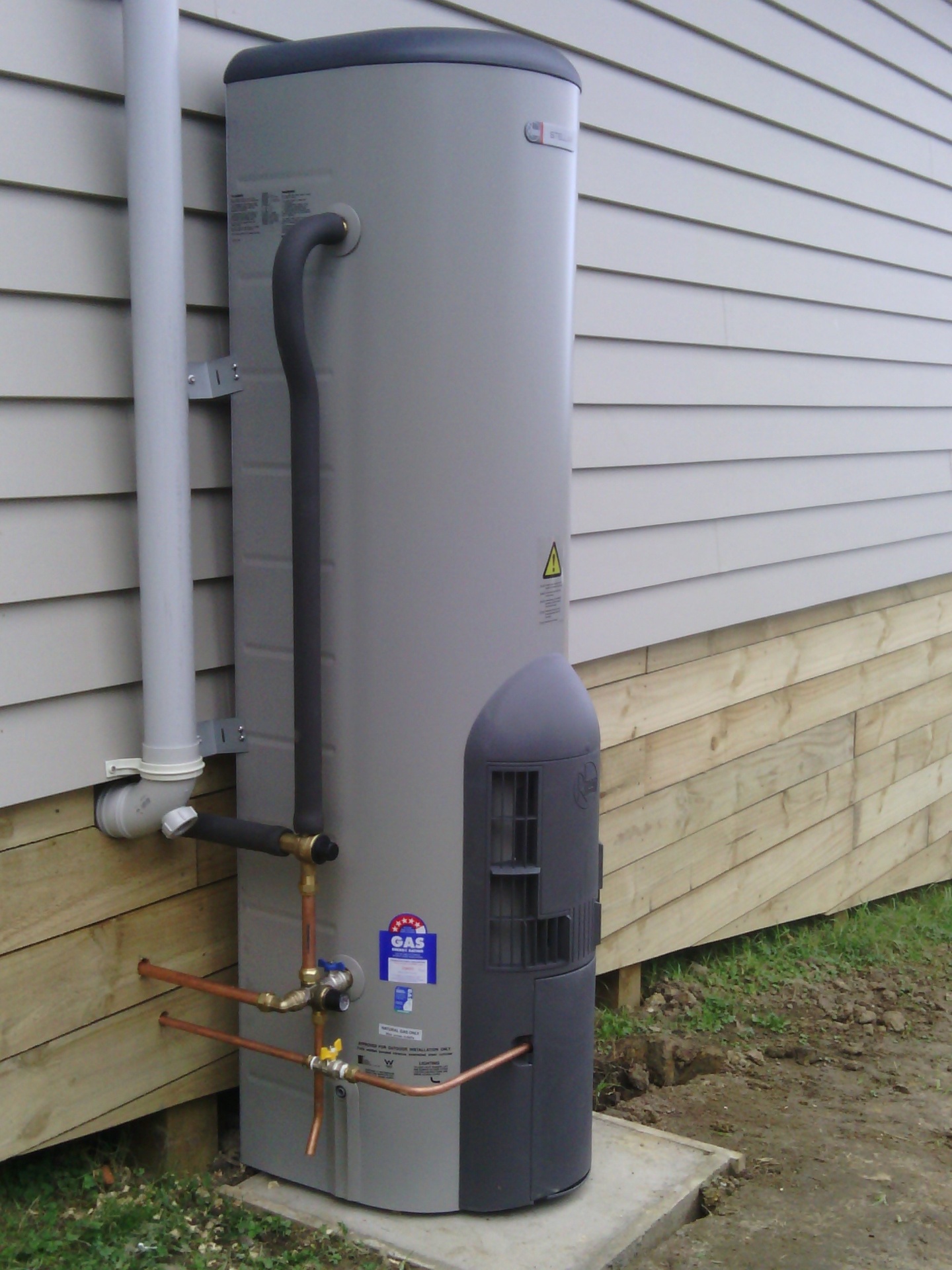
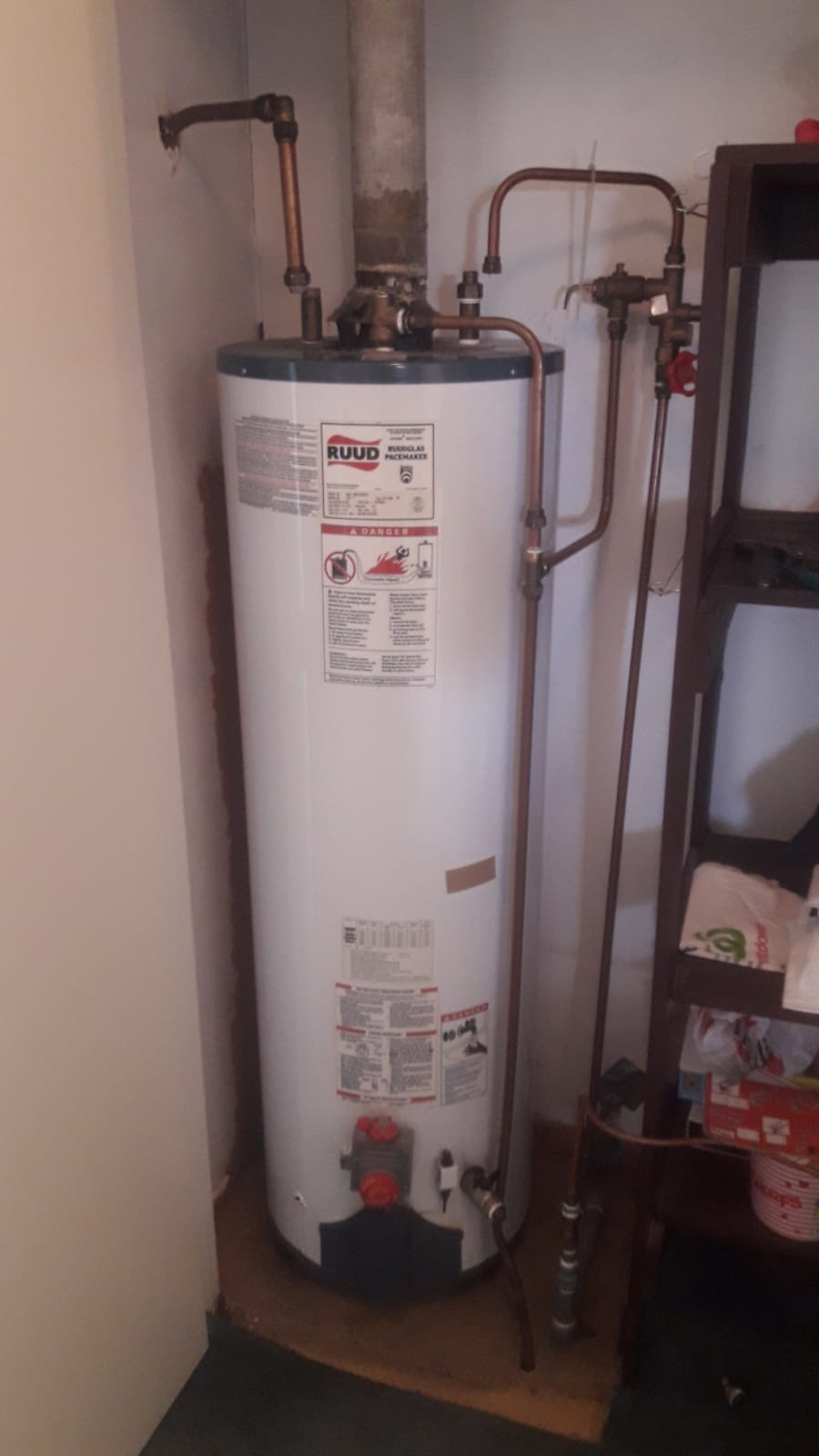
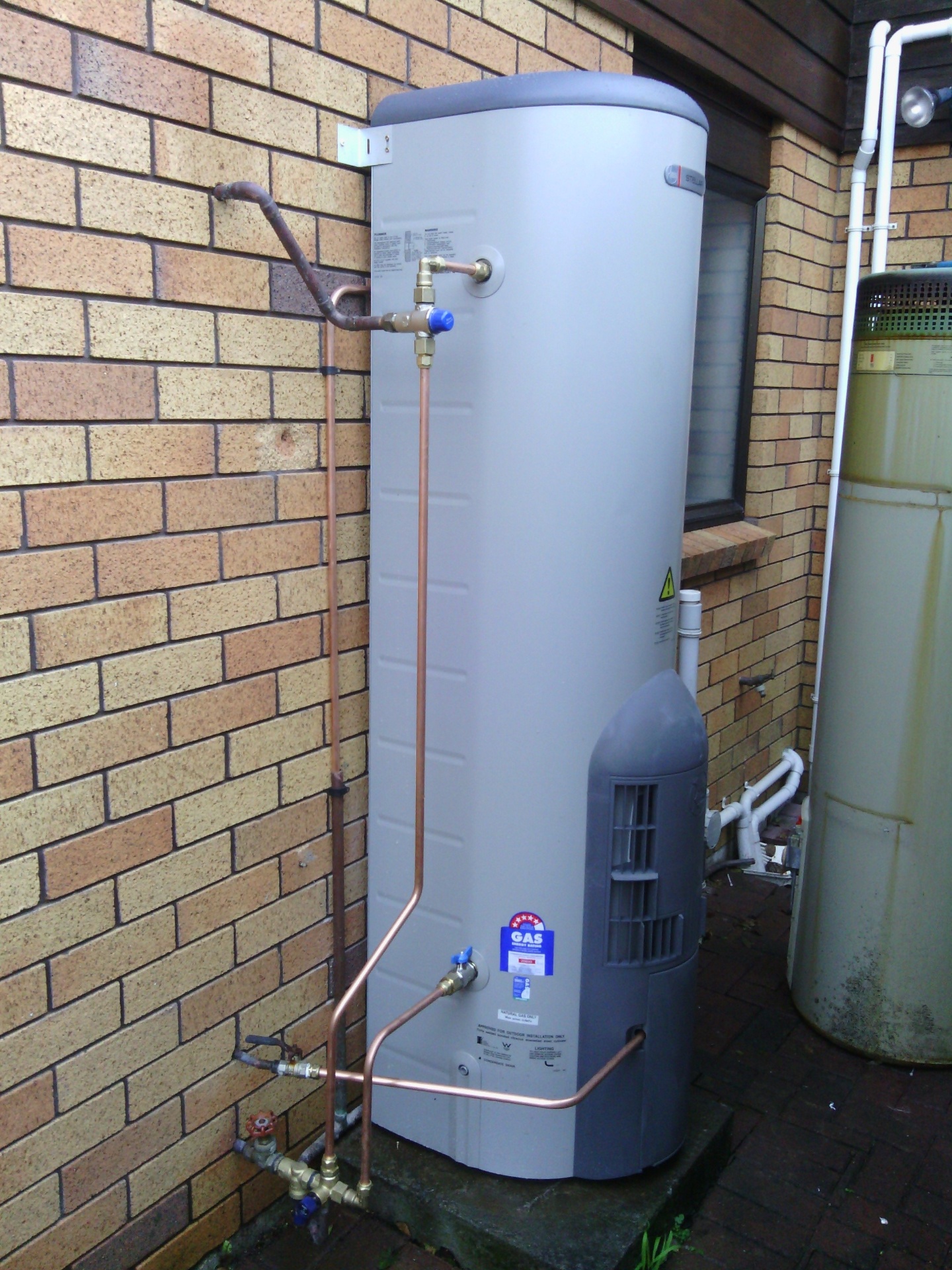
An electric hot water cylinder heats water with one or two electric elements inside the tank. A gas hot water cylinder uses a gas burner underneath the tank to heat the water. Both store hot water ready for use, which is why they are called storage cylinders.
The main difference is the fuel source. Electric cylinders run on grid power. Gas cylinders run on natural gas from the street or LPG bottles. In Auckland, natural gas is available across much of the urban area, so gas is a realistic option for many homes.
Installation cost: electric vs gas hot water cylinder
Electric cylinders are usually cheaper to buy and install. A straightforward like-for-like electric swap can be the lowest upfront option because there is no gas connection, flue or venting to worry about.
Gas hot water cylinders cost more upfront. The unit itself is typically more expensive, and the install needs a gas line, an approved flue, correct clearances, and commissioning by Certifying Gasfitters. If your home does not already have gas, the cost to bring a gas main or LPG bottles into the picture adds to the job.
That said, if you already have a gas line at the property, a gas cylinder swap is often very close in price to an electric one. We do these every week across Auckland and can give you a fixed quote for either option.
Running costs: what you pay each year
Gas is usually cheaper to run than electricity for water heating in New Zealand. A gas hot water cylinder will generally cost less per litre of hot water than an equivalent electric cylinder, especially for larger households.
Electricity rates in Auckland are high, and electric cylinders heat water with resistive elements that draw a lot of power. A household of four can easily spend $800 to $1,200 a year just on electric water heating.
A gas cylinder on natural gas often comes in lower, and a continuous flow gas system can be cheaper again because there are no standing heat losses. For homes on LPG bottles the maths changes a little, bottle rental and refill costs need to be factored in.
Recovery time: how fast the hot water comes back
Recovery time is how quickly a cylinder reheats after a big draw. Gas cylinders usually recover faster than electric cylinders because a gas burner puts more energy into the water more quickly.
This matters in busy households. If four people shower back to back, a gas cylinder is more likely to keep up. Electric cylinders can struggle unless they are large or have a higher kW element, which then pushes running costs up.
If endless hot water is the goal, a Rinnai Infinity continuous flow system removes the tank entirely and heats water on demand. It is a different category from cylinders, but worth considering when recovery time matters.
Lifespan and maintenance
Both electric and gas hot water cylinders typically last 10 to 15 years if installed correctly and serviced occasionally. Gas cylinders have more moving parts, burners, gas valves, thermocouples, flues, so they benefit from a periodic check by Certifying Gasfitters.
Electric cylinders are simpler mechanically, but they still corrode from the inside if the sacrificial anode is not replaced. Rusty hot water or weeping around the base is usually the end, regardless of the fuel type.
We recommend budgeting for replacement once a cylinder hits 12 years old, even if it is still working. A planned weekday swap is always cheaper and less stressful than an emergency failure.
Which one should you choose?
Choose an electric hot water cylinder if you have no gas at the property, want the lowest upfront cost, and your hot water demand is modest.
Choose a gas hot water cylinder if you have natural gas available, want lower running costs, and need faster recovery for a busy household.
Choose a continuous flow gas system if you want endless hot water, have the right wall space outside, and want to avoid a tank failing in 10 to 15 years.
Still unsure? Use our Cost Advisor or get in touch and we will size the right system for your home, your budget, and your hot water habits.