
LPG vs. natural gas: pricing outlook for 2026
A quick look at where prices are heading and what it means for households on bottled gas.
The short version
Natural gas remains the cheaper energy per kilowatt-hour for homes that are already connected. LPG has been trending up on the wholesale side, which flows through to bottle swap and 45kg refill pricing.
What it means for LPG households
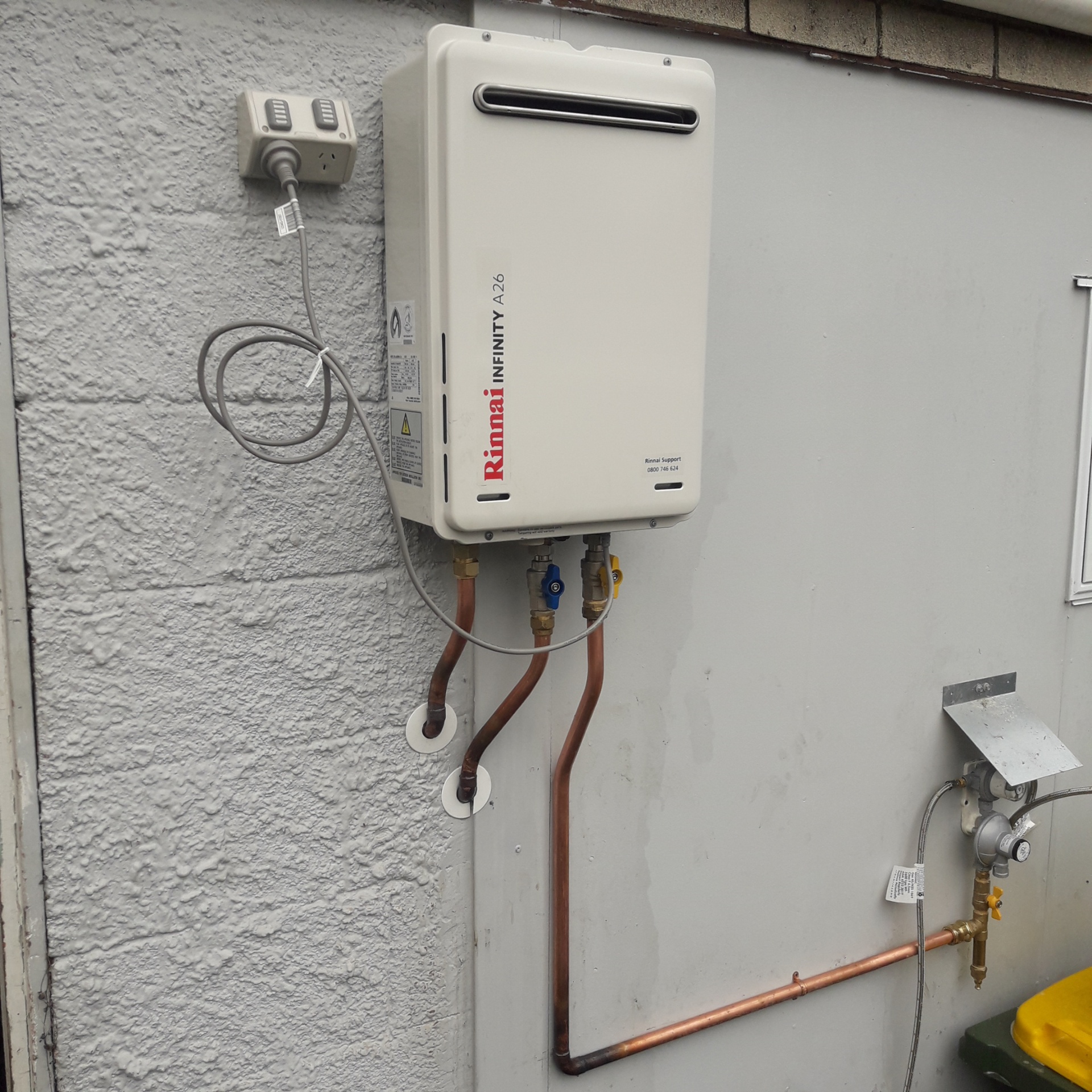
If you're on twin 45s and running a cylinder plus a hob, running costs are still very reasonable. Where it starts to hurt is when a continuous flow unit runs long showers on cold winter mornings, that's the biggest lever you have.
Lower your continuous flow set-point to 55°C, service the unit annually so combustion stays clean, and consider a low-flow shower head. These three together commonly cut LPG use by 15, 20%.
Should you switch fuels?
If natural gas is available at your street, connection cost usually pays back inside 3, 4 years for an average household. If you're rural or off-network, staying on LPG and being smart about how you use it is the right call.